That was the question I asked Donald Shultz at Mfezi.com on the phone a few months ago. I had found Don’s Website and noticed he had House Snakes of several species and available and was bringing in new ones all the time from a mix of captive bred and wild caught stock. At the time I was focused on one thing, “red phase” brown house snakes (AKA Lamprophis Fuliginosus) doing some selective breeding to intensify the red.
I ended up getting about 9 animals including a nice pair of cape house snakes, and an amel and het amel cape house snake pair and three of the “red phase” Lamprophis Fuliginosus I had been looking for. Don then mentioned that he had a single sub adult male (about 18 months of age), Transvaal Phase Cape House Snake (Cape House Snakes are species L. Capensis, see Why Won’t these House Snakes Breed for more info on Capensis and Fuliginosus) and did I want him too?
My first reaction was no. First I had already expanded my narrow focus with this one call from high reds to also include (amels –which I intended on) and now these new cape house snakes (on which I had not intended) and now here was a third variety (my wife would want to shoot me). He had a pretty nice proposition for me though, “let me send him with the others, check him out, if you like him send me 50 dollars more and he is yours”.
Was that hard to pass up? You bet and I have to say I never have considered sending the animal back and I now have Don looking for a second male and up to three females for future breeding efforts.
 Transvaal it turns out is a Region in what is now the Nation of South Africa and while the species L. Capensis (Cape House Snake) is indigenous through most of South Africa and into some adjoining nations the Transvaal Phase of that species is located in the region of its’ namesake.
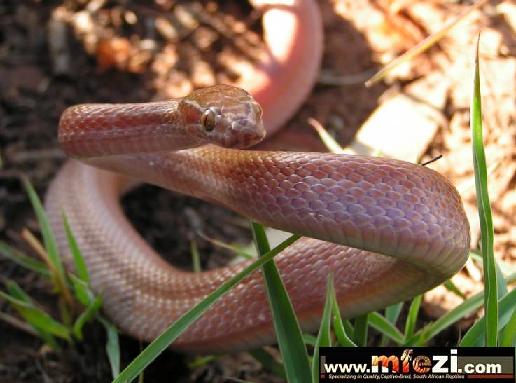
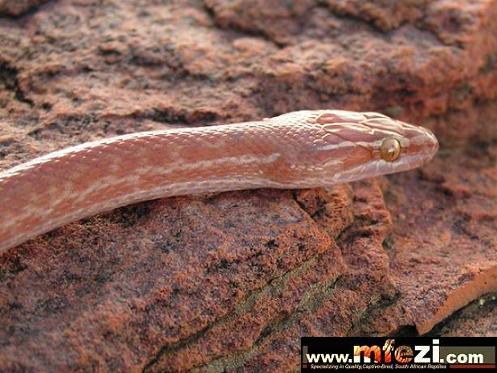
What makes Transvaal House Snake different is a few things. First they tend to grow larger on average then their cousins from Tanzania just as all phases of L. Capensis do, though they don’t reach the size of the Zululand Phase. Second the shining iridescence of the typical house snake is less pronounced but it made up for in the third key difference, which is an extremely light coloration, ranging from a light cinnamon to almost appearing to be amelanistic. The lightest in color, of the Transvaal Phase animals come from a smaller sub region called the Highveld.
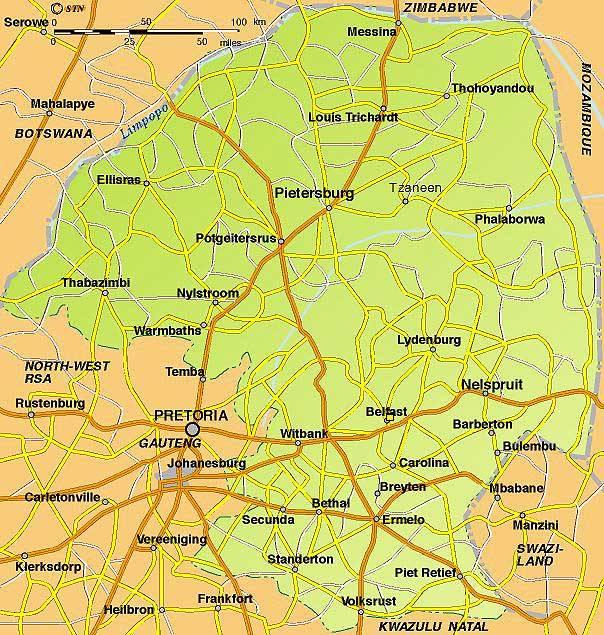
The Highveld is a high plateau area of South Africa, which includes the largest metropolitan area in the country, Johannesburg. The area of the Highveld is the size of Belgium, starting east of the Johannesburg center and stretching to the Swaziland border, encompassing rural and urban areas of around 30 thousand square kilometers (about 11,500 square miles).
The following pictures were provided by Don at Mfezi.com and are actual images of a wild Transvaal Phase House Snake in the Highveld Region. Don tells me the coloration and pattern are typical for this phase.


My animal is a bit darker in coloration but stunning nonetheless. Here are the best images of him that I have at present time.


Please note that we are currently using a pretty low end 3 MP Digital Camera but will be upgrading to an brand new
Olympus EVOLTE E-500 DSLR soon and we can then begin to provide much better quality photos of our personal collection of herps. Just know for now the snake in this picture is quite a bit more striking in person.
Now that I am aware of the Transvaal Phase of the Cape House Snake I am hooked on learning more about its potential for selective breeding to enhance the extreme light coloration and bring out the most in its size potential , which is well past 4 feet for females and close to the 4 foot mark for males.
This is the beauty of African House Snakes that has yet to be appreciated by American Breeders. There is still so much to learn and do with the entire Genus of Lamprophis, (“The Shinning Snake”). Consider when was the last time you heard about a naturally occurring common phase of milk, corn, king or bull snakes that the majority of the herpetology world and pet trade knew little to nothing about? The potential is unlimited and the majority of information is yet unknown when it comes to all of the Lamprophis family and that, for me is part of why they are so appealing.
~ Jack Spirko